The Company
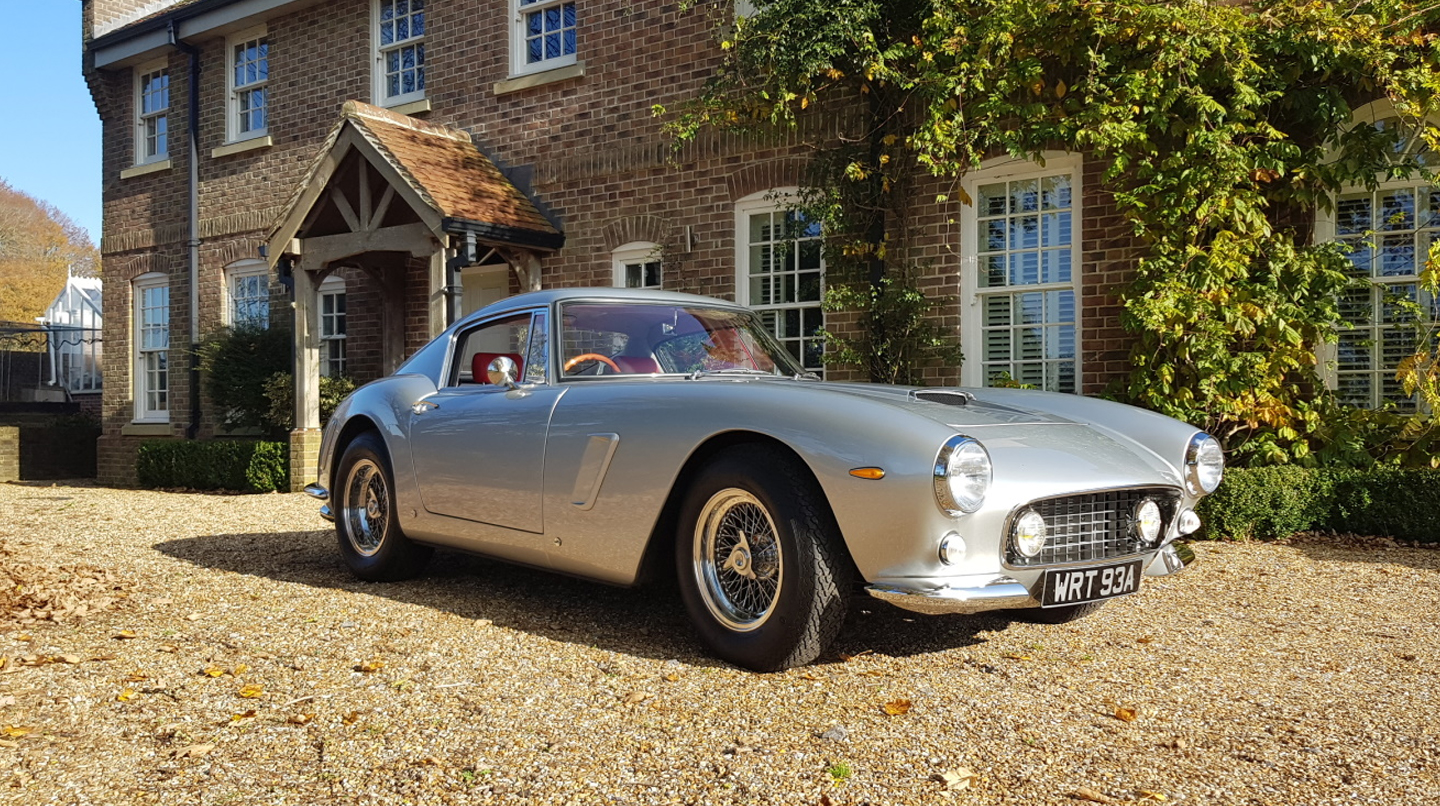
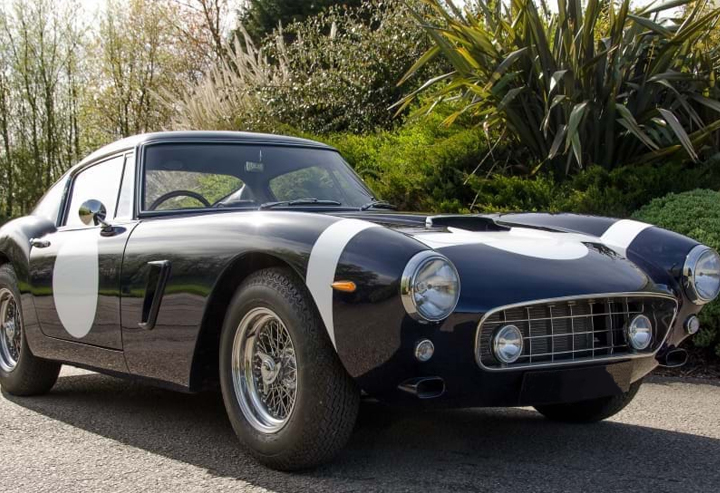
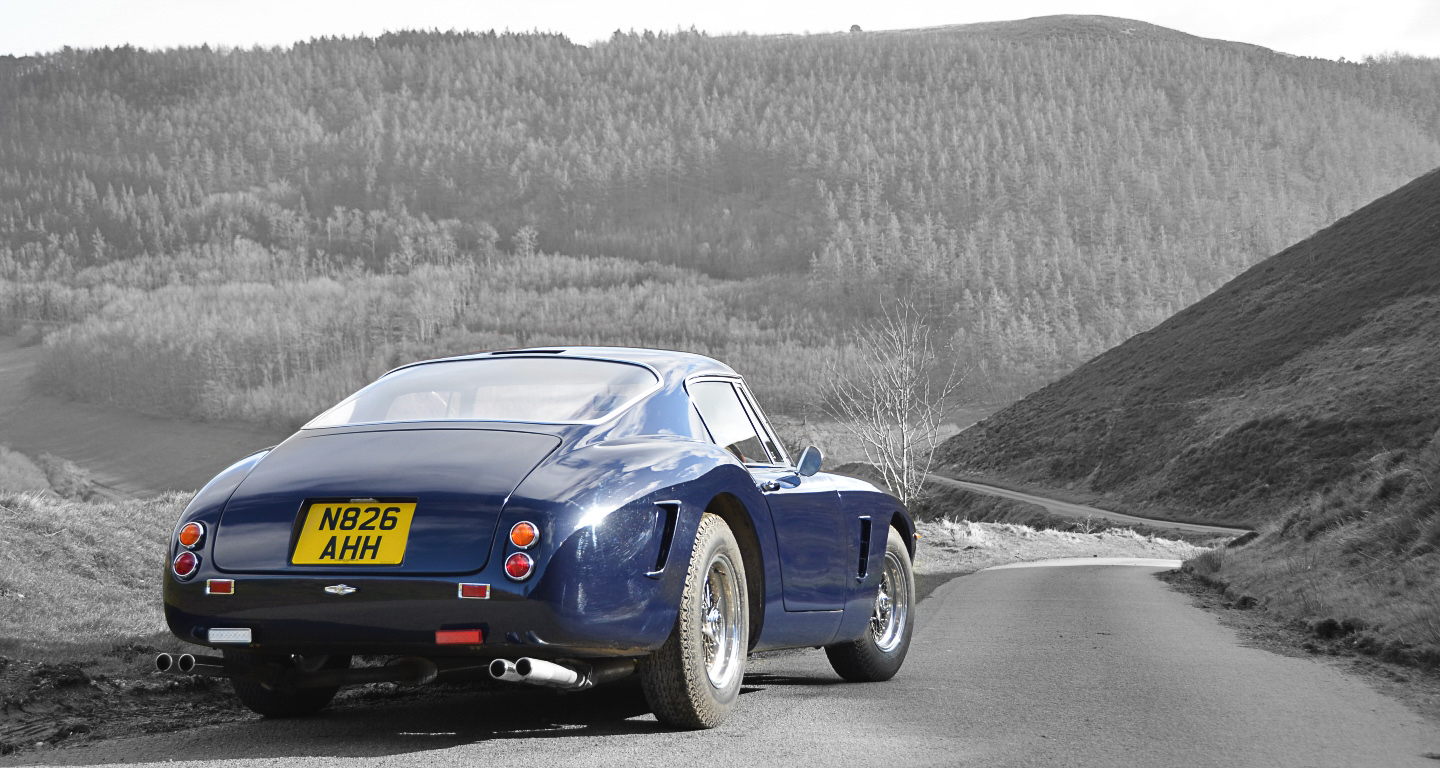
Mirage Automotive is a British sports car manufacturer responsible for the creation of the Mirage GT — a vehicle that combines iconic, classic styling with modern engineering and manufacturing techniques.
By blending traditional design cues with 21st-century performance and technology, Mirage Automotive has produced a car that performs as confidently on the track as it does on the road.
I was contacted by Matthew Potts, a backend developer at Mirage Automotive, whom I had previously worked with. He asked me to design and build the front-end of a visually striking website that could then be integrated into Mirage’s bespoke CMS.
The brief was to create a website that not only showcased the vehicle itself, but also reflected the craftsmanship, attention to detail and premium nature of the brand.
My Process
I began by reviewing websites from other high-end car manufacturers and specialist dealers to understand common design patterns, content structure and how premium brands present their products online.
I then sketched a number of layout concepts, focusing on strong visual storytelling and clear content hierarchy. These early ideas were shared with Matthew to align on direction before moving into design and build.
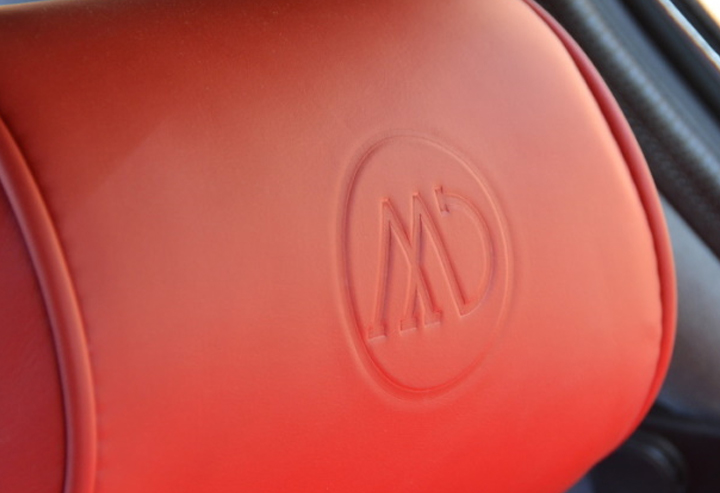
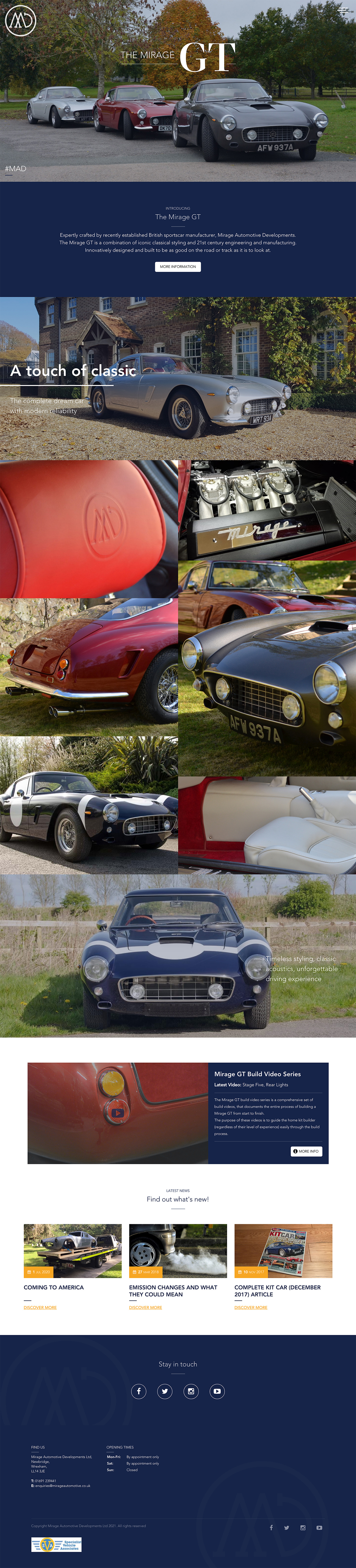
The homepage was designed to immediately showcase the Mirage GT through bold imagery, highlighting both the exterior and interior of the car. This allowed users to appreciate the design and craftsmanship straight away.
I also introduced a dedicated section linking to videos of the build process, giving users insight into the full lifecycle of the car and reinforcing the time, care and precision involved in its construction.
The homepage was completed with a news section, providing a space to feature recent press coverage, events and public appearances, helping to keep the site current and engaging.
Once the front-end was complete, I handed over the HTML, CSS and jQuery to Matthew, who integrated the work into Mirage Automotive’s custom-built CMS.
Retrospective
This remains one of my favourite projects to date, and I thoroughly enjoyed working through the full design and build process.
Looking back, and with a stronger focus on UX in my current work, I would have liked to incorporate user testing to validate assumptions and ensure that key messages were being communicated as clearly as possible. This is something I now prioritise on similar projects.